Protecting Your Audi Engine: Why the Oil Filter Housing Matters More Than You Think
Your Audi represents precision German engineering. Every component works in harmony to deliver the performance, comfort, and reliability that made you choose this brand. The engine especially embodies this excellence—sophisticated, powerful, and built to last. But all that engineering brilliance depends on something most owners never think about until it fails: the oil filter housing. When this seemingly mundane component develops problems, your beautiful Audi can become an expensive nightmare.
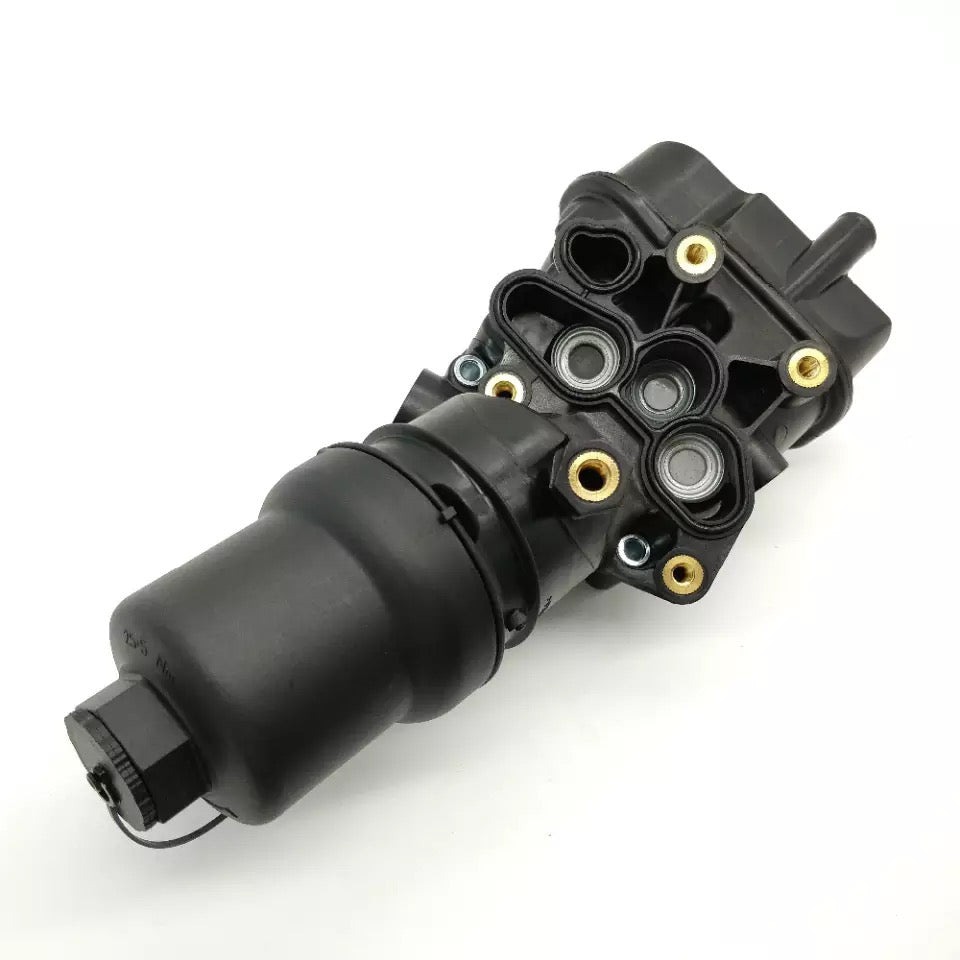
Understanding What Sits Between Your Engine and Disaster
Oil is your engine's lifeblood. It lubricates moving parts, carries away heat, and removes contaminants that would otherwise destroy internal components. The oil filter captures these contaminants, preventing them from circulating through your engine. But the filter itself needs to be held securely, sealed properly, and positioned correctly to do its job. That's where the oil filter housing comes in.
On Audi vehicles, the oil filter housing is more sophisticated than the simple screw-on canisters found on many cars. It's a precisely engineered aluminum component that houses the filter element, incorporates various seals and gaskets, and often contains additional components like the oil cooler. This complexity makes it incredibly effective when working properly—and potentially problematic when it fails.
The housing must withstand constant exposure to hot engine oil, temperature cycling from cold starts to fully warmed operation, vibrations from engine operation, and pressure from oil circulation. Over time, these stresses take their toll. Gaskets and seals deteriorate. Aluminum can develop cracks. Mounting points can loosen. Any of these failures allows oil to escape, creating leaks that range from minor nuisances to catastrophic engine damage.
Recognizing the Warning Signs
Oil leaks from the filter housing rarely announce themselves dramatically. You won't usually see puddles under your car immediately. Instead, symptoms start subtly and worsen gradually. Paying attention to early warning signs prevents small problems from becoming expensive disasters.
The most obvious indicator is oil spots on your garage floor or driveway beneath the engine area. Even small spots matter because they indicate oil is escaping somewhere it shouldn't. On your Audi, if spots appear toward the front of the engine, the oil filter housing deserves suspicion.
Oil smell while driving suggests leaking oil is dripping onto hot exhaust components and burning off. This characteristic smell—acrid and unpleasant—means oil is escaping and contacting surfaces hot enough to vaporize it. This situation wastes oil and creates potential fire hazards if leaks worsen.
Low oil warnings on your dashboard indicate consumption exceeding normal levels. While Audi engines do consume some oil normally, levels dropping between service intervals suggest leakage. The oil filter housing ranks among the most common leak sources on many Audi models, particularly as vehicles age.
Visible oil residue around the filter housing area during routine inspections provides direct evidence of problems. If you or your mechanic notice fresh oil around the housing, seals have likely failed and replacement should happen soon rather than waiting for leaks to worsen.
Why Quality Replacement Parts Matter
When the audi oil filter housing needs replacement, parts quality determines whether repairs solve problems long-term or just temporarily postpone them. This isn't a component where cutting corners makes financial sense.
Genuine OEM (Original Equipment Manufacturer) housings match your Audi's specifications exactly. They're engineered to the same standards as original parts, using materials and manufacturing processes that ensure proper fit, durability, and performance. These parts cost more initially but deliver reliability that prevents repeated repairs.
Quality aftermarket alternatives from reputable manufacturers can provide excellent value, offering OEM-equivalent performance at lower prices. These manufacturers understand Audi specifications and produce parts that meet or exceed original standards. The key is sourcing from suppliers who specialize in European vehicles and understand what quality actually means rather than just offering the cheapest option available.
Cheap, generic housings might seem attractive when comparing prices, but they create problems that far exceed any initial savings. Poor-quality aluminum castings can crack prematurely. Inferior seals fail quickly. Incorrect fitment causes installation difficulties and incomplete sealing. You'll end up replacing cheap parts repeatedly, spending more money and time than if you'd bought quality components initially.
The Installation Reality
Replacing an oil filter housing isn't a simple five-minute job like changing a screw-on filter. Depending on your specific Audi model, accessing the housing may require removing other components, dealing with coolant hoses if the oil cooler is integrated, carefully cleaning mating surfaces to ensure new seals work properly, and correctly torquing multiple bolts to precise specifications.
DIY mechanics with appropriate tools and experience can handle this job, but it requires patience and attention to detail. Rushing or cutting corners during installation guarantees leaks will return. If you're not confident in your mechanical abilities, professional installation ensures the job is done correctly the first time.
Prevention and Maintenance
While oil filter housings eventually wear out on any vehicle, proper maintenance extends their lifespan significantly. Using correct oil specifications and quality filters reduces stress on all oil system components. Regular oil changes prevent sludge buildup that can clog passages and increase pressure on seals.
Allowing your Audi to warm up properly before aggressive driving reduces thermal stress from rapid temperature changes. Addressing small leaks promptly prevents them from worsening into major problems requiring more extensive repairs.
Model-Specific Considerations
Different Audi models use different oil filter housing designs. Some integrate oil coolers, while others use separate cooler assemblies. Mounting locations vary between transverse and longitudinal engine orientations. Access difficulty ranges from straightforward on some models to requiring significant component removal on others.
Understanding your specific model's configuration helps when sourcing parts and estimating repair complexity. We stock oil filter housings for various Audi models, ensuring New Zealand Audi owners can find correct parts without weeks of waiting for overseas shipments.
Frequently Asked Questions
Q1: How often should I replace my Audi oil filter housing?
Replace it when leaks develop; quality housings can last 150,000+ km with proper maintenance.
Q2: Can I just replace the seals instead of the entire housing?
Sometimes yes, but if the housing shows cracks or corrosion, complete replacement is more reliable.
Q3: Will a leaking oil filter housing damage my Audi's engine?
Yes, if oil levels drop too low from leaking, severe engine damage can occur quickly.
Q4: Are aftermarket Audi oil filter housings as good as OEM parts?
Quality aftermarket from reputable suppliers can match OEM performance at lower cost.
Q5: How long does oil filter housing replacement take?
Typically 2-4 hours depending on model and whether additional components need removal for access.
Q6: Can I drive my Audi with a leaking oil filter housing?
Short distances cautiously while monitoring oil level, but repair it promptly to prevent engine damage.
Protecting Your Investment
Your Audi represents a significant investment in quality, performance, and engineering excellence. Protecting that investment means addressing problems promptly with quality parts rather than ignoring issues or choosing cheap fixes that fail quickly.
At Kiwi Car Parts, we understand that Audi owners expect the same quality in replacement parts that their vehicles were built with. We stock genuine and quality aftermarket oil filter housings for various Audi models, ensuring you get parts that actually solve problems rather than just temporarily masking them.
Don't let a failed oil filter housing turn your reliable Audi into an expensive problem. Whether you're addressing existing leaks or replacing aging components proactively, using quality parts ensures your Audi continues delivering the performance and reliability you expect for many more kilometers ahead.


Comments
Post a Comment